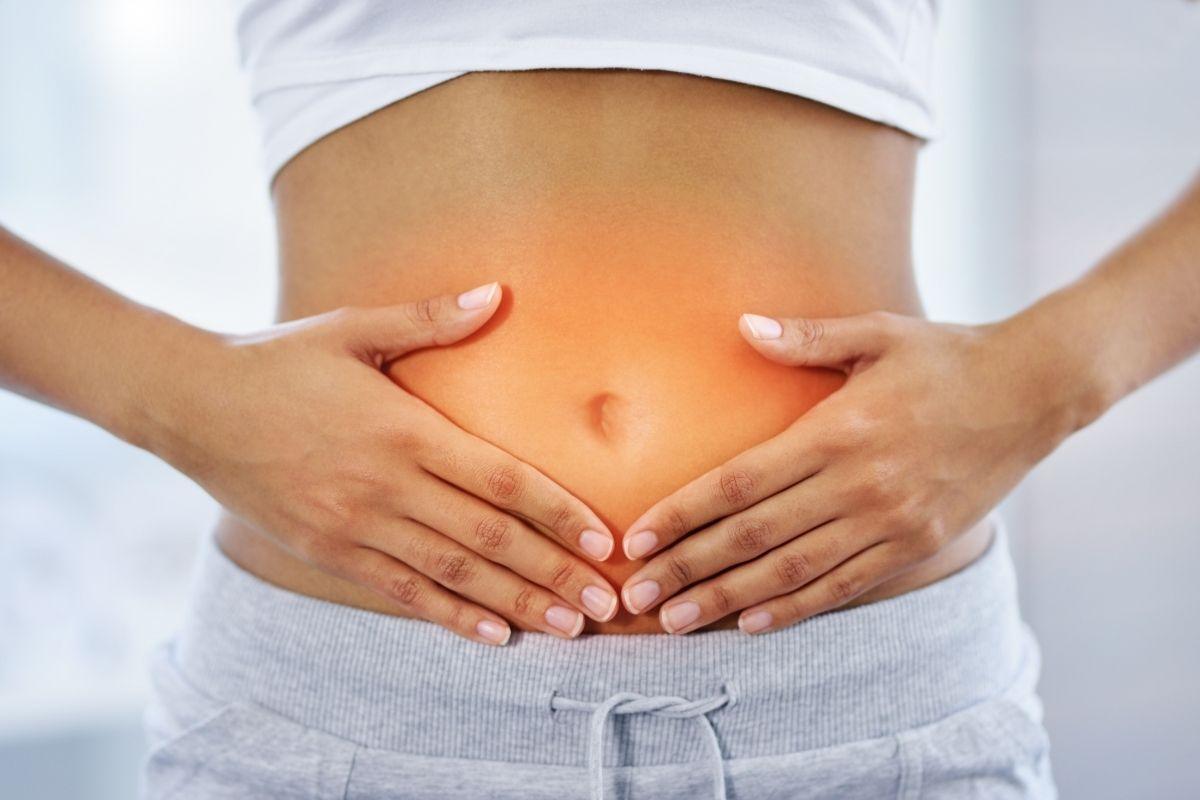
So how do you actually improve gut health naturally? Honestly, it comes down to stuff you’ve probably heard before. Eat more fiber. Eat fermented food. Cut back on the processed stuff, even a little. Sleep properly. Find some way to deal with stress that isn’t just scrolling your phone at midnight. None of it’s flashy, but together it’s what changes the bacteria living in your gut, and that’s what ripples out into your digestion, your immune system, your mood too.
- Most US adults get roughly half the fiber they need. Guidelines call for 25g a day for women under 50, 38g for men.
- 70 to 80 percent of your immune system lives in your gut. Not a random stat; this is why digestion and immunity are so tangled together.
- Cambridge researchers found a new gut bacterium in 2026 tied to serotonin production. First real evidence connecting a specific, previously unknown microbe to mood.
- Fermented food went from “nice to have” to daily staple in 2026 nutrition data. Kefir, kimchi, miso- that whole category.
- About 1 in 4 adults worldwide deal with digestive symptoms that hurt their quality of life, and most of them don’t even have a diagnosed condition.
Here’s the thing about gut health: everyone treats it like a digestion topic. It’s not, really. It touches your immune system, your brain, how well you sleep, how you handle a bad week at work. And the research on all of this moved fast through 2026. So if you’re looking at outdated advice from five years ago, most of it still holds up loosely, but some of it’s genuinely behind now.
Eat More Fiber. Just Don’t Rush It
Fiber still does the heaviest lifting here. It’s food for your gut bacteria, and what they produce from it (short-chain fatty acids, mainly) calms inflammation and keeps your gut lining doing its job.
Most people aren’t getting enough. According to UC Health, the target sits around 25 grams a day for women under 50, 38 grams for men. Most Americans land nowhere close. And no, dumping a fiber supplement into your coffee tomorrow morning isn’t the move. Your gut needs time to adjust, two to four weeks minimum, or you’ll end up bloated and miserable, which is exactly the opposite of what you’re going for.
Good sources: lentils, beans, oats, berries, chia seeds, broccoli, Brussels sprouts. Mix it up. Variety in fiber sources means variety in the bacteria you’re feeding.
Fermented Foods Aren’t Optional Anymore
This shifted more than people realize. Fermented food used to be the thing wellness bloggers mentioned in passing. Now it’s closer to baseline advice. Yogurt, kefir, kimchi, sauerkraut, miso- they all introduce live bacteria straight into your system, and they change your gut’s bacterial makeup in a way fiber alone just can’t replicate.
One serving a day is a solid starting point. Some current guidance pushes toward two, alternating dairy-based and vegetable-based options if your stomach’s fine with it.
The Gut-Brain Thing Is Real
This stopped being wellness-influencer talk a while back. It’s legitimate, active research now. Your gut and brain are physically wired together through the enteric nervous system (people call it the “second brain,” a little dramatic but not wrong), and they’re constantly talking through nerve signals, hormones, immune pathways.
So if you’re serious about learning how to improve gut health naturally, don’t just fix your plate and ignore everything else. Stress does real damage to your gut bacteria. So does bad sleep. And it runs in both directions – a rough gut can mess with your mood just as easily as stress messes with your gut.
RELATED STORIES


Ultra-Processed Food Is Quietly Working Against You
Nobody needs to swear off processed food forever; that’s not realistic. But there’s a pretty consistent link between diets heavy in ultra-processed food and lower fiber intake, less diverse gut bacteria. Worth noticing how much of your week actually runs on that stuff, and swapping in whole foods where it’s not a huge lift.
New Research Matters, But Don’t Overreact to It
2026 delivered some genuinely interesting findings. Researchers identified two gut bacteria nobody had successfully cultured before, both capable of producing serotonin. Early-stage, not something you can act on yet, but it’s a real step toward understanding the mood connection at a bacterial level. Clinical trials are also running comparisons right now between high-fiber and high-fermented-food diets, looking at immune markers, sleep quality, and microbial diversity.
None of that changes the basics, though. Fiber, fermented food, sleep, stress management, movement- that’s still your foundation if you’re trying to improve gut health naturally. New science adds detail. It doesn’t replace what already works.
Comparison: Fiber vs. Fermented Foods
| Factor | Fiber-Rich Foods | Fermented Foods |
| Main benefit | Feeds existing gut bacteria | Introduces new live bacteria |
| Daily target | 25-38g depending on age/sex | 1-2 servings |
| Onset of effect | Gradual, over weeks | Can shift bacteria composition faster |
| Best sources | Lentils, oats, berries, chia | Kefir, kimchi, miso, sauerkraut |
| Watch out for | Bloating if increased too fast | Added sugar in some products |
FAQs
How long does it take to improve gut health naturally?
A few weeks, usually, before you notice anything digestion-wise. Real shifts in bacterial diversity take longer, though, closer to two or three months of actually sticking with it.
Can I improve gut health without supplements?
Yes, and honestly it’s probably better. Whole food sources of fiber and naturally fermented foods tend to outperform supplements long-term, since real food brings a whole matrix of nutrients supplements can’t replicate.
Does stress really affect gut health?
It does. The gut-brain axis isn’t a metaphor; it’s a physical communication system, and chronic stress has been shown to alter your gut bacteria and make digestive symptoms worse.
Are probiotics necessary for gut health?
Not really, no. Fermented foods already deliver live bacteria naturally. Supplements have their place in specific situations, but for most people, eating a varied, fiber-heavy diet, they’re not essential.
What foods are worst for gut health?
Ultra-processed foods, low in fiber, loaded with additives. That combination consistently correlates with less diverse gut bacteria.
Sources & Refrences
- UC Health – “Eating the Right Amount of Fiber”
- Napiers – “Gut Health in 2026: Why Your Microbiome Matters for Everything”
- ScienceDaily/University of Cambridge – “Scientists discover a hidden gut bacterium linked to good health”
- Gut Microbiota for Health – 14th GMFH World Summit coverage
- Tata 1mg – “Popular Diet Trends of 2026”
Disclaimer: This article is for informational purposes only and is not a substitute for professional medical advice, diagnosis, or treatment. Always consult a qualified healthcare provider before making significant changes to your diet or managing any health condition.