There have already been three deaths in the case of Legionnaires’ disease, which was discovered in the Upper East Side of Manhattan. The number of infections detected in that area has reached 74 cases. Legionnaires’ disease is one of the types of lung infections that could be caused by bacteria living in warm water. Roof-top cooling towers are generally considered to be the source of these outbreaks in cities. This disease is quite frightening, and it definitely is, but still, it is curable if identified. Here is some info about this disease.
- Legionnaires’ disease is a severe form of pneumonia, not just a bad cold.
- It spreads through water mist you breathe in, not from person to person.
- Rooftop cooling towers are the usual source behind city outbreaks like this.
- Adults over 50 and smokers face the highest risk of getting seriously ill.
- Antibiotics work well, and most people recover fully if caught early.
What Exactly Is Legionnaires Disease?
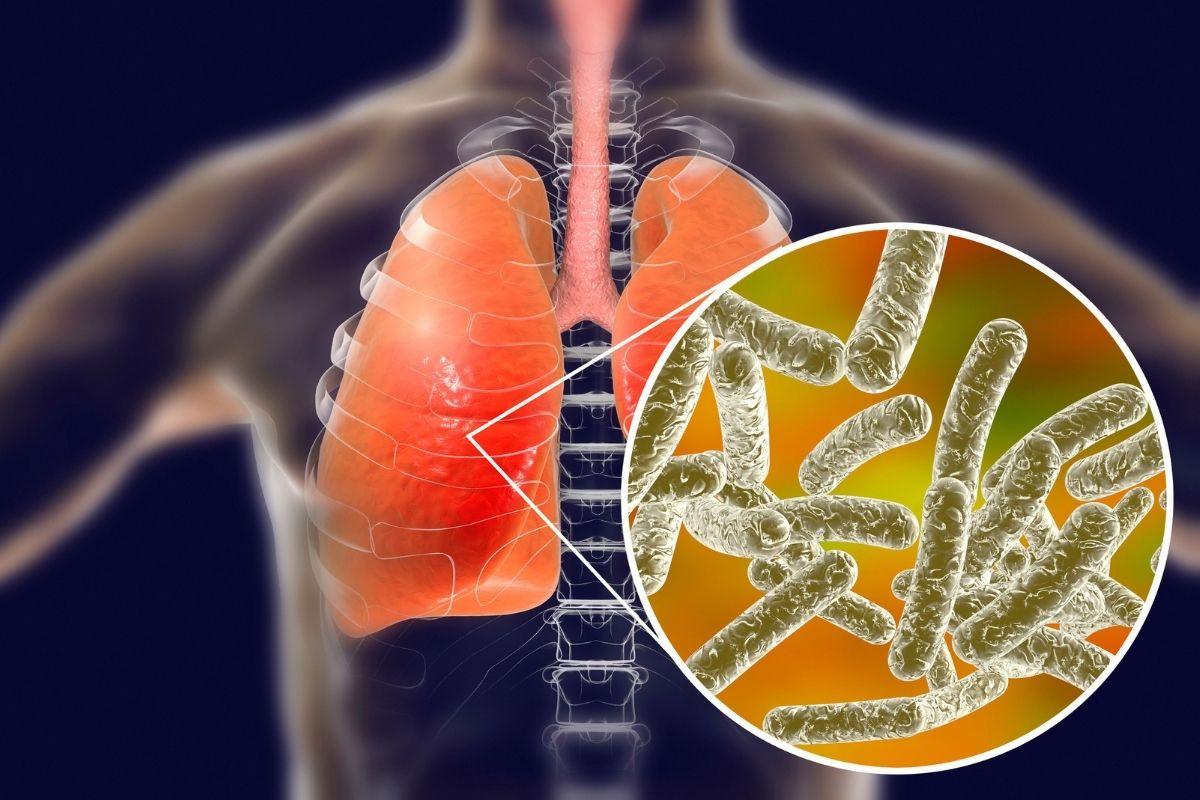
Legionnaire’s disease is caused by a type of bacteria known as Legionella, which occurs naturally in the soil and water. However, it usually does not cause any harm. This is the case unless it finds its way to artificial water sources such as cooling towers, spas, humidifiers, and plumbing systems, where it multiplies. The presence of the bacteria in the cooling towers is particularly dangerous since they produce a fine mist containing the bacteria, which individuals breathe. This mist finds its way to the lungs, causing a severe infection in the process. Interestingly, the disease got its name due to an outbreak in an American Legion meeting in 1976.
How Doctors Detect It
The urine test is generally the quickest method used by doctors to diagnose Legionnaires disease, as this involves the presence of a certain antigen associated with the bacteria. The patient will typically undergo this test along with an X-ray of the chest to determine whether there is any sign of pneumonia. Sometimes, doctors can grow a culture of the bacteria from the mucus or fluid from the lungs in order to make absolutely sure. However, as the initial signs of the condition mimic those of the flu or common pneumonia, doctors will want to know more about your background information.
Key Symptoms to Watch For
Symptoms typically emerge within 2 to 10 days following the infection. Symptoms associated with this infection can include fever above 104 degrees, shaking chills, persistent coughing, shortness of breath, muscle pains, and headaches. Additional symptoms include confusion, nausea, and diarrhea. The challenging thing about this is the fact that the infection begins by being nothing more than just another ordinary cold, but then worsens in older individuals.
RELATED STORIES


Possible Complications
When left untreated, the infection will not remain mild for too long; it may develop into respiratory failure, where your lungs become incapable of breathing in sufficient oxygen, or septic shock, causing your blood pressure to drop to dangerous levels. Kidney failure could occur, too. Approximately ten percent of people infected with Legionnaire’s disease will die from it, especially when the patient is elderly or ill.
When to See a Doctor
If there are signs of high fever, cough, and difficulty breathing, this should not be taken lightly, especially for individuals who are living in areas where outbreaks have been recorded before. In case one is above 50 years old, smokes, and suffers from lung diseases, diabetes, kidney disease, and low immunity, one should get diagnosed.
How to Lower Your Risk
Fortunately, the disease is not contagious from a sick person; therefore, isolation from anyone is unnecessary. Prevention involves avoiding exposure to air coming out of cooling towers and building exhausts, as well as maintaining proper hygiene in household whirlpool baths and decorative fountains. It should be mentioned that building proprietors are obligated to regularly disinfect the cooling system; in case of epidemics, the authorities tend to perform additional inspections.
What Happened in Manhattan
- There have been three deaths resulting from the Upper East Side outbreak.
- The first case was confirmed on Friday; the second on Sunday, involving an 88-year-old retired business owner and veteran of the Air Force who was admitted on Sunday night.
- According to Ronald Katter, the attorney for the second victim, the 88-year-old had been married for 50 years and was admitted to the hospital on July 2nd due to a fever of 104 degrees.
- There have been 74 confirmed cases since the disease cluster was detected at the beginning of July.
- Most required hospitalization, though all except eight people have already been released.
- Rooftop cooling towers appear to be the source of contamination because they circulate warm water and produce mist.
- The city required 76 neighboring buildings to clean their cooling systems.
- The contaminated source has been eliminated by the city officials.
- New York City records several hundred cases annually, mostly in the summer season.
- No new symptoms were reported for more than a week.
Conclusion
The case of the New York outbreak demonstrates how rapidly Legionnaires’ disease can become life-threatening, particularly for seniors or those individuals who have weak respiratory systems and/or compromised immunity. However, there is no need to worry because it is non-infectious and can be treated effectively by administering the appropriate antibiotic medications in a timely manner.
Frequently Asked Questions
Is Legionnaires’ disease contagious?
Absolutely not! This disease cannot be passed between people in contrast to the usual flu viruses. It is caused by breathing in mist containing Legionella bacteria.
Is Legionnaires’ disease curable?
This disease can be easily cured using antibiotics. In most cases, a healthy adult can recover fully within two weeks after being diagnosed with the disease.
Who is most likely to get Legionnaires’ disease?
People older than fifty, smokers, and people with compromised immune systems or lung disease are the most likely to suffer from this disease.
How long will it take for me to recover from Legionnaires’?
Depending on your condition, you can recover from the disease within one to two weeks, provided you are under antibiotic treatment.
Is it possible to get Legionnaires’ disease from tap water at my house?
It is quite unlikely to contract the disease from tap water at your house. The disease is spread mostly via poorly maintained hot tubs, humidifiers, decorative fountains, etc.
Sources & References
- NY Times: Legionnaires disease death
- Wikipedia: Legionnaires disease
- Mayo Clinic: Legionnaires’ disease symptoms and causes
- NY Times: Legionnaires disease death