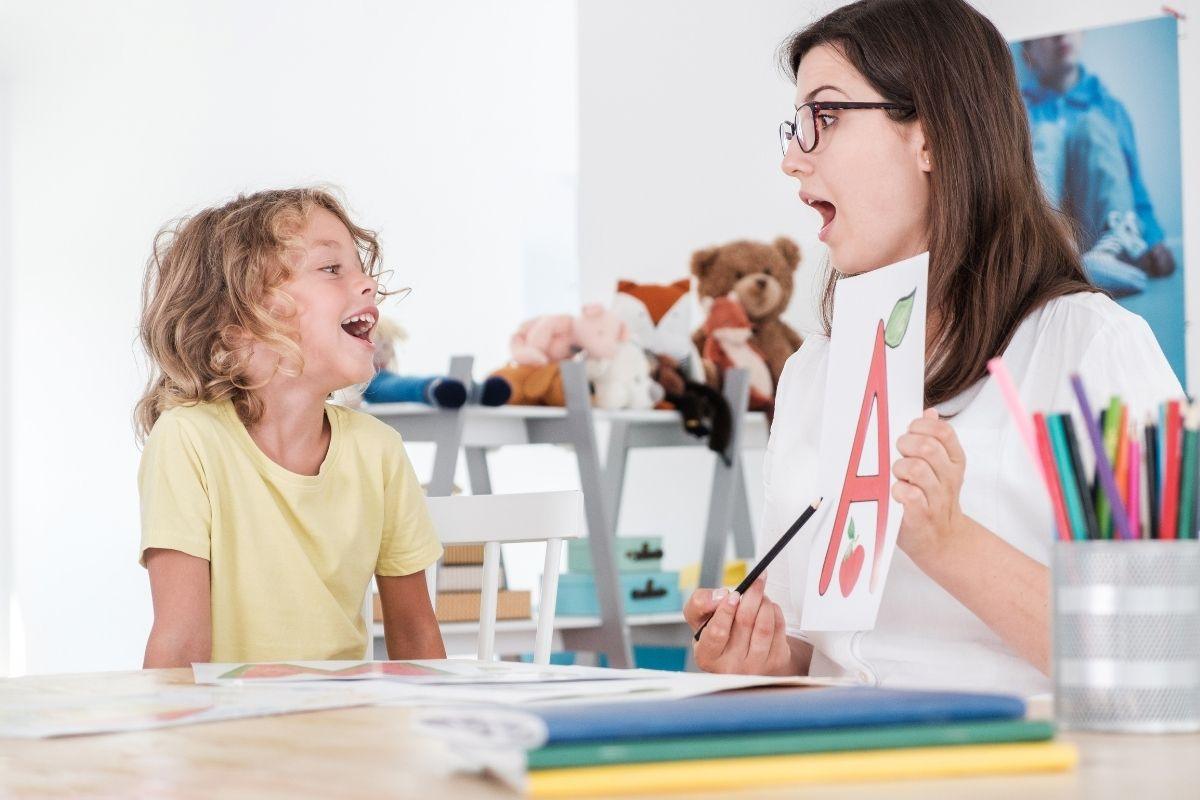
As a parent, you only know your child’s typical behavior better than anyone else. So when you notice changes in them, like homework time turning into tears, report cards coming back with unexpected (usually worse) results, or your usually cheerful kid suddenly saying, “I’m just stupid” or “I’m not made up for studies” or something else, it’s natural to feel concerned.
It’s also really common to have that question, “Is it just a bad day, or week, or is something more going on in school?” The fact is that learning doesn’t usually proceed on a smooth and steady trajectory. Some kids just find school hard, and may be a few steps behind in understanding the most basic concepts; others appear to breeze through the classroom yet have an overwhelming sense of emptiness and long for more.
Whether your child needs focused support to catch up or enrichment to stay motivated, spotting the signs early gives you a chance to help before frustration grows into a real dislike of school. Here are seven signs your child needs a tutor, and tips on choosing the right approach.
- Slipping grades or plateaus signal deep, hidden skill gaps.
- Nightly homework battles mean independent learning tools are missing.
- Negative self-talk reveals that a child has lost academic confidence.
- Pay attention when teachers flag foundational subject weaknesses early.
- Disruptive classroom boredom usually indicates a need for enrichment.
What Are the Signs Your Child Needs a Tutor?
A child may benefit from tutoring if they consistently struggle with schoolwork, lose confidence in their academic abilities, or aren’t challenged enough in the classroom. While occasional setbacks are normal, ongoing academic struggles or persistent boredom often indicate that additional academic support may be beneficial.
The most common signs include:
- Falling or stagnant grades
- Homework struggles and frustration
- Negative self-talk
- Teacher concerns about academic progress
- Weak foundational reading or math skills
- Classroom boredom due to a lack of challenge
- Parents can no longer provide effective academic support at home
How Do You Know If Your Child Needs a Tutor?
Below are the key signs your child needs a tutor, from falling grades and homework struggles to boredom and low academic confidence.
1. The Grade Slip (or the Plateau)
The most visible indicator of academic trouble shows up on report cards and online grading portals. Keep an eye out for a sudden drop in a single subject—like a consistent B student suddenly bringing home Ds in algebra. Just as telling is the plateau: a child who puts in hours of studying but cannot seem to move their grade past a low C. Missing assignments and incomplete project marks are also key signs your child needs a tutor. When a student falls behind, they often stop turning in work altogether because they feel overwhelmed by how much they don’t understand.
2. Evening Homework Battles
Homework should simply reinforce what your child learned in class, not turn into a nightly battle at home. If dinner time is regularly derailed by tears, arguments, or complete shutdowns over worksheets, then something is off. Pay attention if your child sits at a blank page for an hour and can’t even figure out how to write the first word, or if you end up taking the pencil just to stop the struggle and get them to bed. When homework creates this much friction, it usually means they don’t have the skills to work independently.
3. A Shift in Self-Talk
Pay attention to how your child frames their talents. “I’m just not a math person,” “I hate reading,” or “I’m the stupidest kid in class” are all defense mechanisms. When children repeatedly come up short in learning a skill, they find it much safer to shut down altogether. A great teacher doesn’t just cover the curriculum; they parse out small victories to stitch together a battered self-image.
4. Direct Feedback from Teachers
U.S. classrooms move fast, and teachers get a clear view of how your child is engaging with the material compared to their peers. Don’t ignore what’s said in parent-teacher conferences or what’s written in notes home that indicate your child is “seemingly checked out,” “struggling with pacing,” or “missing foundational prerequisites.” Teachers often notice the small signs that your child needs a tutor, such as a student who repeatedly asks to use the restroom during reading blocks or a child who stays completely silent in group discussions to avoid being called on.
5. Shaky Foundational Pillars
Learning builds year over year. If the base of the pyramid isn’t strong, the higher structure will undoubtedly waver. For the youngest children, this could be sounding out words or simply not being able to read words with fluidity. For a middle school student, this can be a lack of basic memorization, such as facts of multiples or division, place value, or basic fractions, which means that entering high school pre-algebra would be an exercise in frustration. Remediation provides a boost to specific skill sets.
6. Chronic Boredom and Acting Out
This sign can really catch parents off guard. Academic frustration doesn’t always show up as bad grades—sometimes it looks like a student who finishes an exam in ten minutes, earns a perfect score, and then talks or disrupts the rest of the class. If your child says school is “too easy” or refuses to do homework just because they’re bored, they don’t need remedial support; they need academic enrichment. Without the right level of challenge, advanced students may end up with unhealthy study habits and gradually lose the curiosity that came naturally to them.
7. You have Exhausted Your Resources
As a parent, you don’t need to be an expert in today’s educational methods. Chances are, the way schools teach Common Core math or reading comprehension now is very different from how you were taught. And if you’ve ever tried explaining something at the kitchen table, only to see that it’s making things more confusing for your child, then it’s time to hand things over. Bringing in a professional can ease the emotional pressure and take the heat out of the situation, so you can go back to being a supportive parent instead of feeling like you have to enforce it.
RELATED STORIES


Balancing Remediation and Enrichment
Each child has an individual learning profile; yours might struggle with basic reading intervention but excel and need rigorous math enrichment. Extracurricular education doesn’t serve all students equally, nor should it feel like punishment. Recognizing these seven signs your child needs a tutor early means you’ll be well equipped to put a plan into place, whether that includes hiring an expert private tutor, enrolling them in a school-ready educational center, or seeking out a mentorship opportunity that safeguards their self-esteem and fosters a positive and productive educational journey ahead.
Conclusion
Each child learns differently; your child may require both remediation in basic reading and an advanced math challenge. You can’t outsource and just assume that help, whether you opt for a private educator, sign them up for a local after-school program, or connect them with a forward-thinking mentor, will work. That is, not if you also want your child’s self-esteem to be supported along the way.
FAQs
How do I tell my child they need a tutor without making them feel bad?
Talk to the students; frame this work with them as their own professional coaching or having the equivalent of a professional assistant or guide, instead of punishment. Note: even professionals hire out for support. Frame as part of getting help for school to alleviate stress.
What is the difference between tutoring and enrichment?
Tutoring is designed to help students get back on track and close any knowledge gaps, so they can confidently keep up with grade-level material. Enrichment is for learners who have already mastered most or all foundational concepts and are performing so well in school that they might feel bored without additional, more challenging, or more thought-provoking work.
How many hours of tutoring do most kids need each week?
For most students, one to two sessions per week (about 60 to 90 minutes total) provides enough consistent practice without burning them out. Shaky foundational gaps or major exam prep might require a temporary increase.
How long does it take to see actual progress with a tutor?
Confidence and behavior changes often improve within the first few weeks. Academic improvements, like better test grades and report cards, typically show up within two to three months of regular sessions as foundational gaps close.
Sources
- Times of India: 7 signs that your kids might need a tutor
- PubMed: Perception and impact of university tutoring on academic performance: a case study at a Peruvian university
- Connections Academy: Does My Child Need a Tutor?
Disclaimer: This article is for informational and educational purposes only and should not be considered professional educational, psychological, or medical advice. Every child learns differently, and occasional academic struggles are normal. If you have concerns about your child’s learning, development, or well-being, consult their teacher, school counselor, or a qualified education or healthcare professional for personalized guidance.