Nobody goes to the doctor saying they think their circulation is bad. What they say is their feet are always freezing. Or their leg started cramping on a walk they’ve done a hundred times. Or a cut on their ankle that should have healed in a week is still open three weeks later. That’s how the symptoms of poor circulation look. Not dramatically. Gradually, quietly, in ways that are easy to write off until they aren’t.
- Cold hands and feet, numbness, cramping legs, swelling, skin that looks off, wounds that just won’t close up… these are the classic signs
- Your feet and legs usually sound the alarm first, way before anything else
- Feet turning weirdly pale or bluish, staying cold no matter what, that tingling “pins and needles” feeling, sores that refuse to heal… all red flags
- If it’s showing up in your legs and feet, PAD could be behind it. It’s hitting over 8 million Americans already
- Brain not getting enough blood? Expect dizziness, brain fog, headaches, or your vision acting up
- The usual suspects: diabetes, smoking, high blood pressure, cholesterol issues, and carrying extra weight
- Can’t feel your foot at all, chest pain, or anything screaming pulmonary embolism? Don’t wait – get to the ER
What Are the Early Warning Signs of Poor Circulation?
Start here: hands that stay cold when the room isn’t. Feet that go numb after sitting. Legs that feel heavier than they should on a short walk. These are the early warning signs of poor circulation. Nothing dramatic. Just slightly off.
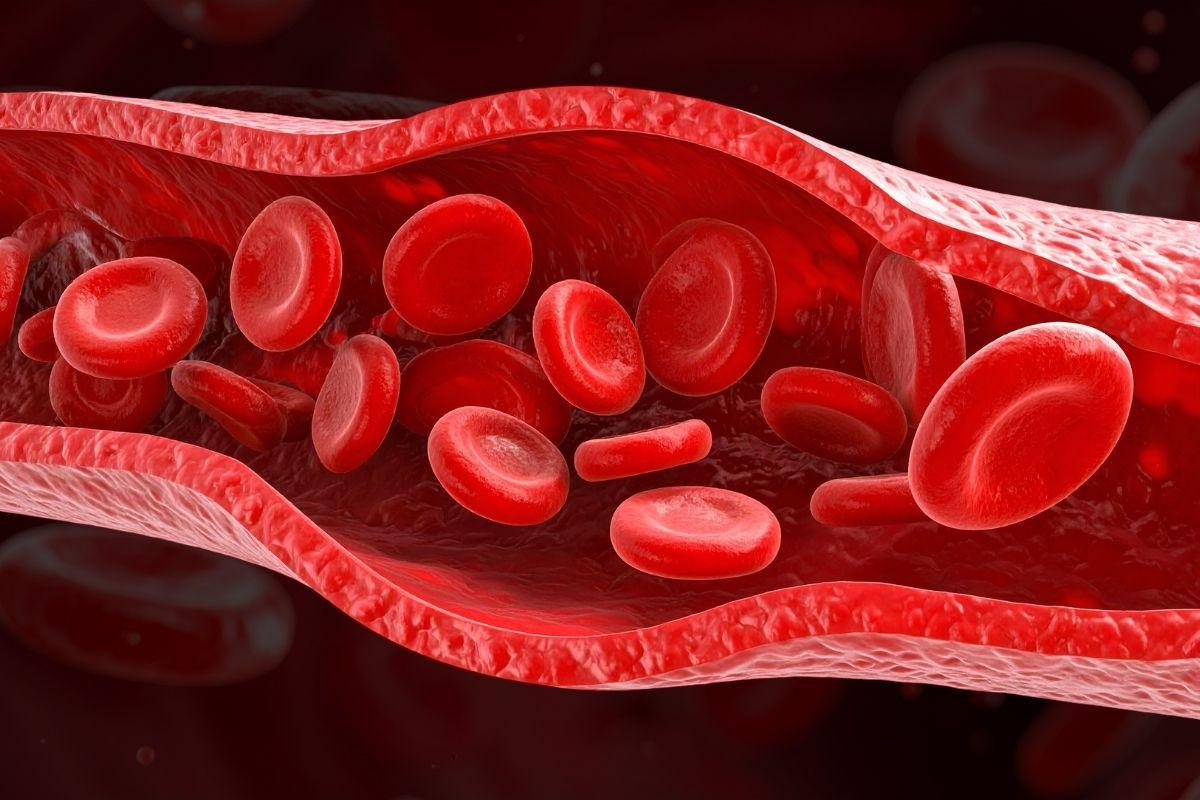
The body rations blood when vessels narrow. Extremities get less. Hands and feet go cold. Fingers and toes tingle. Not enough oxygen reaches the nerves out there, and they let you know it.
Fatigue is part of it too. Not regular tired. More like everything takes more effort than it should. Heart working harder to push through restricted vessels. Whole body feels it, especially during activity that used to feel easy.
Common Symptoms of Poor Circulation in Feet
The feet show it first, usually. The common symptoms of poor circulation in feet are worth knowing properly.
Coldness that doesn’t go away even after warming up. Skin that turns pale, then bluish, then in worse cases reddish or purplish or even grayish. Mass General Brigham notes that severe PAD can turn skin purple, green, black, or white. Cold. Tingly. That’s ischemia, a blockage cutting off oxygen to tissue. Emergency room, not wait and see.
Wounds that won’t close are the most serious thing people ignore the longest. A cut or sore on the foot still open after weeks means the blood supply can’t deliver what repair needs. In diabetics, this is how most lower limb amputations start. Hair thinning on the lower legs. Toenails growing slowly and thick. Skin looking shiny and almost waxy. All of it means the tissues have been underfed for a while.
Symptoms of Poor Circulation in Legs and Feet
The symptoms of poor circulation in legs and feet follow a recognisable pattern once you know it. Calf pain during walking that stops when you rest. Comes back when you walk again. That’s claudication. That’s the signature of Peripheral Artery Disease. Over 8 million Americans have it. Most don’t know.
Swelling in the lower legs and ankles that leaves a dent when you press it. Usually venous insufficiency. Vein valves failing, blood pooling in the lower legs instead of going back to the heart. Legs feel heavy, achy. Skin around the ankles goes dark, shiny, brownish over time.
Varicose veins. Easy to dismiss as cosmetic. Sometimes they are. Sometimes they’re the first visible sign of venous disease worth having checked properly.
RELATED STORIES


Symptoms of Poor Blood Circulation in the Brain
The brain doesn’t tolerate reduced blood supply. Even modest drops cause noticeable problems fast. The symptoms of poor blood circulation in the brain are the ones most often written off as stress or not sleeping enough.
Dizziness when standing up quickly. Headaches that keep coming back without an obvious reason. A fog over thinking where words slip away, or you lose track mid-sentence. Any one of these alone might not mean much. All of them together, or alongside other circulation symptoms elsewhere, deserve a doctor’s attention, not just waiting to see if it passes.
Vision changes are more urgent. Sudden blurring. Temporary loss of vision in one eye. Any episode where vision does something strange. Same-day medical attention at minimum. A transient ischemic attack, a mini-stroke, can produce exactly these short-lived symptoms. The fact it passed doesn’t mean it was nothing. TIA is often the warning before a full stroke. That window to act is short.
What’s Behind All of This?
Plaque buildup in the artery walls. Peripheral artery disease. Diabetes damaging vessel walls steadily over years. High blood pressure, high cholesterol, smoking, excess weight, hours spent sitting still every day. All of it compounds. Deep vein thrombosis in the legs or pulmonary embolism in the lungs are the acute emergencies at the end of this spectrum. Different timeline, same root causes.
How to Improve and Treat Poor Circulation
When the pattern is identified, the next question is what truly helps. “Treatment is two lanes — stuff you can do every day, and stuff you need a clinician for.”
- Exercise regularly: One must engage in exercise for a minimum of 30 minutes daily by walking, cycling, swimming, or other types of exercise.
- Avoid prolonged sitting: Get up from sitting positions and stretch yourself once an hour if your occupation requires you to sit for extended hours.
- Follow a heart-healthy diet: Eat fresh fruits, vegetables, whole grains, proteins, healthy fats, and avoid processed foods, salty foods, and sugars.
- Have enough water: You should drink adequate quantities of water because water helps in maintaining good blood volume and improves blood circulation.
- Quit smoking: This is due to the reason that smoking damages blood vessels and reduces circulation.
- Maintain a healthy body weight: Losing extra weight is good for circulation.
- Use compression stockings: In case your physician recommends using compression stockings, then it will be effective in minimizing leg swelling.
- Leg elevation: This involves keeping the legs raised to the heart’s height. It is advantageous in preventing the inflammation of the veins.
- Treatment of other diseases: It is important for you to treat other diseases, including diabetes, hypertension, and high cholesterol levels, by making adjustments in your lifestyle and through the medication provided.
- Take appropriate medical treatment: If there is pain, numbness, infections that don’t heal, and poor circulation, it may become necessary for you to take medication or undergo surgery.
When to Stop Waiting?
No sensation in a foot. Chest pain. Severe leg pain when you’re not moving. Sharp chest pain combined with shortness of breath, fainting, coughing blood, sudden heavy sweating. That combination is pulmonary embolism. Emergency room. Not monitoring at home.
For everything that’s persistent but not at that level, an ankle-brachial index test or vascular ultrasound can show what’s actually happening with blood flow. The point of recognising the symptoms of poor circulation early is being able to do something about them while the options are still good.
FAQs
What are the early warning signs of poor circulation?
Cold hands or feet, tingling or numb fingers and toes, getting tired way too easily, and heavy legs when walking. Easy to ignore until it’s not.
What are common symptoms of poor circulation in feet?
Feet that stay cold, skin turning pale, blue, or purple, tingling, slow-healing sores, thinning leg hair, and thick, slow-growing toenails.
What are the symptoms of poor circulation in legs and feet?
Calf pain while walking that eases with rest, ankle swelling, varicose veins, and darkened skin near the ankles. Often points to PAD or venous insufficiency.
What are the symptoms of poor blood circulation in the brain?
Sudden dizziness, recurring headaches, trouble focusing or remembering, and vision changes. Get checked fast if these hit suddenly.
When is it an emergency?
No feeling in a foot, chest pain, severe leg pain at rest, or sharp chest pain with shortness of breath, fainting, or coughing blood. Straight to the ER.
Sources and References
- Mass General Brigham – Warning Signs of Poor Blood Circulation
- Cleveland Clinic – Poor Circulation: Symptoms, Causes and Treatment
- GLMI – Early Signs of Poor Circulation 2026
- GLMI – Recognizing Poor Circulation in Legs and Feet
- Revascularization Medicine – Warning Signs of Poor Blood Circulation
- Colorado Cardiovascular Surgical Associates – 5 Warning Signs of Poor Circulation
- American Heart Association – Peripheral Artery Disease
Disclaimer: This article is for informational purposes only and is not a substitute for professional medical advice, diagnosis, or treatment. If you have persistent symptoms of poor circulation or experience emergency warning signs such as chest pain, sudden numbness, difficulty breathing, or vision loss, seek immediate medical attention. Always consult a qualified healthcare provider for diagnosis and treatment.